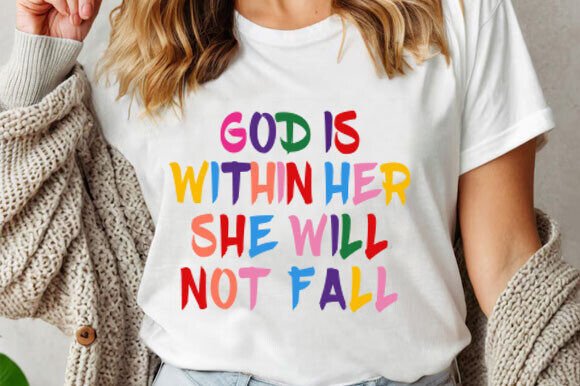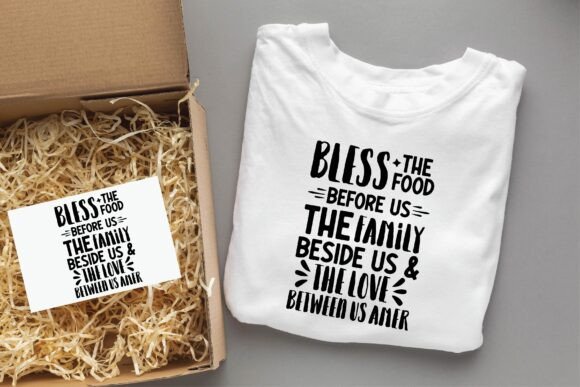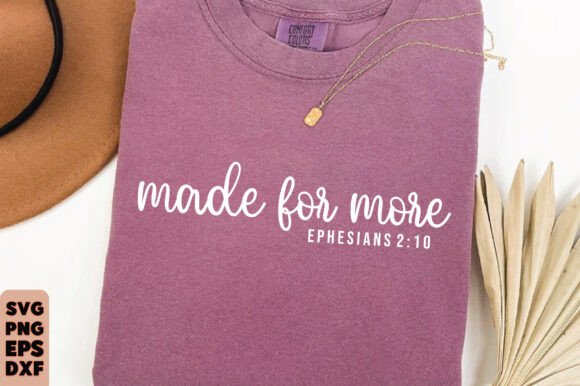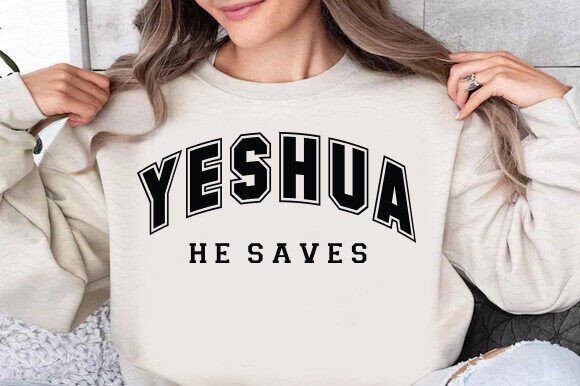
Christian Finished SVG Design: Graphics & T-Shirts
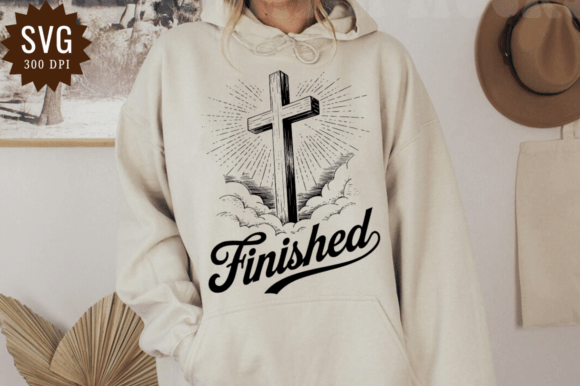
As a designer who regularly vets digital assets for client work, I approach every new graphic with a mix of curiosity and skepticism. The Christian Finished SVG Design landed in my review folder ahead of a project for a small faith-based lifestyle brand, and I wanted to see if it could carry the visual weight their identity required. Right away, the mood felt intentional — this is not a generic clipart piece but a considered illustration with a finished, layered quality that suggests it was built for real use, not just decorative filler. The design carries a reverent yet approachable tone. The lines feel deliberate, the composition balances well between being a standalone statement and a supporting graphic. For a designer working with religious or spiritual themes, this asset offers a visual anchor that doesn't feel overly sentimental or stiff. It strikes a tone that could work equally well on a t-shirt, a product label, or a social media graphic for a ministry or ethical brand.
I mentioned a faith-based lifestyle brand project. That client needed a visual system for their product line — organic soy candles, handmade journals, and custom apparel. They wanted something that felt finished but not cold, meaningful but not overly ornate. The Christian Finished SVG Design became a natural candidate for their packaging and t-shirt graphics. Its structure held up well in mockups, and the PNG version with transparent background made it easy to drop onto different colored substrates without rework. This is the kind of graphic design asset that saves time during production while still delivering emotional resonance — a combination that small business owners and print-on-demand sellers will appreciate immediately.
A Design That Feels Finished Without Feeling Heavy
First impressions matter in commercial design. The Christian Finished SVG Design reads as a polished graphic element that doesn't rely on excessive ornamentation to communicate its message. The visual weight is distributed evenly, which gives it a stable presence whether you place it on a tote bag, a greeting card, or a website hero section. I tested it against several mockup templates — including product mockups for mugs and stickers — and the design held its shape and clarity without looking crowded. That balance is harder to achieve than most non-designers realize. Many religious-themed graphics lean either too minimal (and lose personality) or too ornate (and lose readability). This one sits in a useful middle ground where it can function as both a focal point and a supporting brand element.
The creative design community often debates whether clipart-style assets are appropriate for professional branding. My take is that the quality of the execution matters more than the format. The Christian Finished SVG Design is not a low-effort vector trace. It has the kind of thoughtful composition that works for brand identity projects, especially for handmade businesses or small brands that want to communicate trust and community. The SVG design format gives you full editability, which means you can adjust colors, scale freely, and integrate it into a larger visual system without starting from scratch.
From T-Shirt Mockups to Social Media Graphics
One of the first tests I run on any design asset is how it translates across formats. The Christian Finished SVG Design handled this well. On a t-shirt mockup, the graphic sat cleanly on both light and dark fabric colors. The SVG format allowed me to scale it without any loss of sharpness, which matters when you're going from a small chest print to a large back design. The EPS and DXF files gave me flexibility for both vector editing and cutting machine workflows — useful when a client also wants stickers or iron-on transfers. For social media graphics, the PNG version at 300 dpi with transparent background saved time. I placed it over a textured background for an Instagram post and the edges held cleanly. The design's visual weight is strong enough to work as a profile image or a pinned graphic, but it also layers well behind text if you adjust opacity slightly. That kind of versatility is rare in a single asset, and it makes the Christian Finished SVG Design a practical choice for content creators who need one graphic to serve multiple platforms.
For Etsy product listings, this design can be used directly in listing photos, as a product image overlay, or as printable wall art. The 300 dpi resolution ensures that printed versions remain sharp at typical sizes. If you are a digital seller or a creative marketplace vendor, having a PNG with transparent background means you can drop the design onto mockups without needing to mask or cut out backgrounds manually. That workflow efficiency adds up when you are producing multiple product variations.
Where This Design Really Shines: Large Layouts and Hero Graphics
In large layout areas — hero sections of a website, the center of a poster, or the focal point of a product mockup — this design performs with confidence. The finished quality means it doesn't look like an afterthought. For a brand identity built around faith, handmade goods, or community, this graphic could serve as a core visual element. I tested it on a product label mockup for a small-batch honey brand with a spiritual mission, and the design added a layer of trust and warmth that a plain logotype couldn't achieve. It also works well as a decorative accent in themed collections. If you're building a seasonal campaign around Easter, Christmas, or a faith-based retreat, the Christian Finished SVG Design can be the repeating motif across banners, stickers, and digital ads. The vector files give you the freedom to recolor it to match a specific palette, and the PNG gives you a ready-to-use version for quick placements. In packaging design, the graphic can be used as a front-label focal point or as a subtle background pattern when repeated at a smaller scale. Its balanced composition makes it adaptable for both roles.
When to Be Careful: Small Sizes and Minimalist Contexts
No design asset works everywhere, and the Christian Finished SVG Design has limits. At very small sizes — under one inch for print or under 80 pixels for screen — details can start to blend together. For a business card or a favicon, you might need a simplified version. The design also competes for attention on busy or high-contrast backgrounds. If your layout already has multiple visual elements, this graphic may add noise rather than clarity. For minimalist branding or corporate projects that require strict visual hierarchy, this asset might feel too ornamental. It has a decorative finish that works beautifully in context but can overwhelm a clean, type-driven layout. I would not recommend it for professional services like law firms or financial advisors, unless the brand specifically leans into a spiritual or community-oriented identity. Always preview the design at the intended output size before committing to a final layout. This step is especially critical for sublimation design and print-on-demand products, where size constraints are often fixed by the platform.
How It Affects Readability, Trust, and Emotional Appeal
This design brings emotional weight. The religious theme connects instantly with audiences who value faith-based imagery, and the finished quality signals that the brand cares about detail. In a t-shirt design context, that builds trust. People wear graphics that say something about their identity, and the Christian Finished SVG Design communicates both belief and craftsmanship. From a hierarchy standpoint, the design works best as a primary visual or a balanced accent. It has enough presence to anchor a layout, but it doesn't scream for attention. That makes it a good choice for product packaging where you want the logo or message to remain readable. I tested it on a mug mockup with a sans serif brand name above the graphic, and the spacing felt natural. The design didn't fight the type. For marketing visuals, this asset can serve as a trust signal. When used in social media graphics or blog visuals, it subtly reinforces the brand's values without needing additional copy. That visual shorthand is valuable for content creators and publishers who want to maintain a consistent brand voice across multiple channels.
Practical Designer Notes: What to Test Before You Use This Commercially
Before I hand any asset to a client, I run a checklist. Here is what I tested with the Christian Finished SVG Design:
- Check the file formats. The bundle includes SVG, EPS, DXF, and PNG at 300 dpi with transparent background. That covers vector editing, cutting machines, and immediate digital use. Confirm you have the software to open each format — Illustrator or Inkscape for SVG and EPS, Cricut Design Space or Silhouette Studio for DXF.
- Test black and white conversion. I converted the design to grayscale to see if it held contrast. It did, which means it will work for one-color printing or monotone branding. That is a good sign for print-on-demand sellers who need simple production runs.
- Preview on light and dark backgrounds. The transparent PNG made this easy. The design reads well on both, but the contrast shifts depending on your color choice. If you place it on a dark background, consider adjusting the color to a lighter tone or adding a subtle outline.
- Scale it up and down. I tested it at 200% and 50% in a vector editor. The lines stayed crisp. No unexpected artifacts. That kind of file hygiene tells me the original was built with attention to detail.
- Print test. If you are using this for physical products, always do a small print run first. Check how the design looks on your substrate — fabric, paper, vinyl, or cardstock. The PNG at 300 dpi should give you clean results, but printer calibration varies.
- Confirm commercial licensing. This is non-negotiable for client work. Before using the Christian Finished SVG Design in any project that generates revenue, verify the license terms. Some design assets allow unlimited commercial use, others restrict it. Read the fine print.
- Pair with type. I tested the design next to a serif font, a sans serif, and a handwritten font. It paired best with a clean sans serif for modern projects and with a serif for traditional ones. The handwritten font felt too casual next to this graphic's finished look. Your mileage may vary, but it is worth testing.
- Test in Canva templates. For content creators using Canva, the PNG format imports without issues. The SVG may require conversion, but the transparent PNG is a reliable fallback for quick placements in social media posts, Pinterest pins, and digital ads.
How It Fits Into a Broader Design Ecosystem
The Christian Finished SVG Design is not a one-trick asset. It can be used across editorial design, web design, sticker design, and even editorial layouts for faith-based publications. When I placed it into a mockup for a magazine spread, it worked as a chapter opener graphic without overwhelming the text columns. That adaptability makes it a useful addition to any designer's library of design assets, especially for those who serve clients in the religious, community, or ethical goods space. For creative marketplace buyers, this asset offers immediate value for product creation. For brand owners and small business owners, it provides a ready-made visual that can be customized to fit a specific brand palette.
The inclusion of DXF format is a practical bonus for Cricut users and crafters who work with cutting machines. This means the design is ready for vinyl decals, iron-on transfers, and custom apparel without needing to trace or redraw the artwork. For a crafter building a small Etsy shop around faith-based products, that convenience translates directly into faster production and more consistent results.
Ultimately, the Christian Finished SVG Design is a solid graphic design asset for anyone working in religious or faith-based branding, t-shirt design, product packaging, or digital content. It offers flexibility, emotional resonance, and professional-grade files. But like any tool, it works best when you understand its strengths and limitations. For the right project — a handmade business, a church campaign, a print-on-demand store, or a creative marketplace listing — it can elevate the final result and save you hours of custom illustration work. I would recommend it to designers who need a reliable, finished graphic with a spiritual tone and commercial-ready file support. Test it against your own project requirements, run the checklist, and see if it aligns with your client's visual voice. If it does, you will find it becomes a repeating element in your workflow.